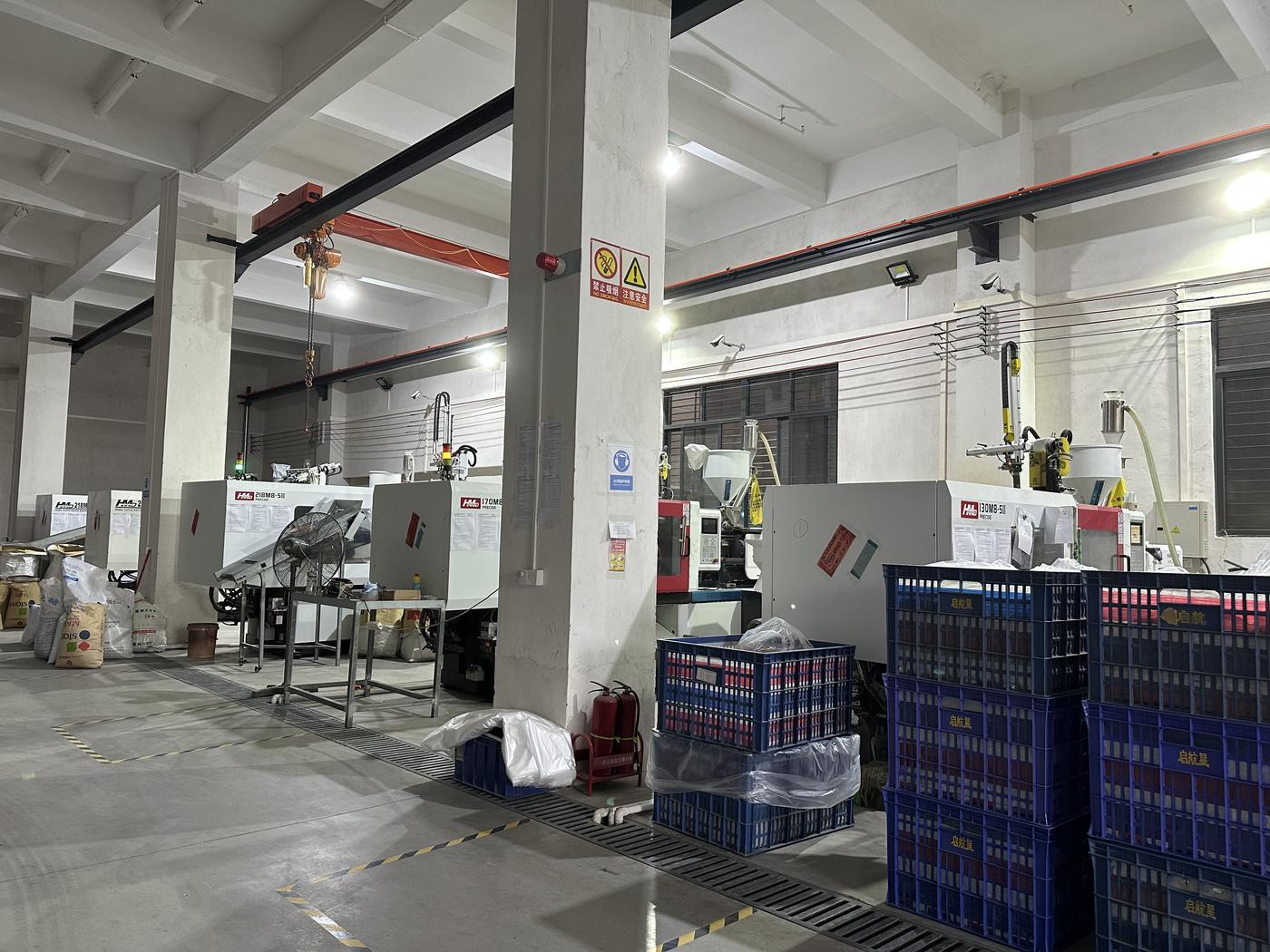
A search for toy manufacturers can return factories, trading companies, sourcing offices, marketplaces and unrelated businesses. For an importer, the useful question is not only “who has a factory?” It is “who will make this exact product, under which specification, and who is accountable for the order?”
ToyOEMChina is a sourcing desk based in Chenghai, not a claim that every catalog product is made in one owned factory. The supplier and production route are checked against the selected SKU and project. The same verification steps below help buyers evaluate a toy manufacturer, a trading supplier or a sourcing partner.
Verify the business and production route
Ask for the legal business name, business address and the role of the company issuing the quote. If it is not the production factory, ask which factory will make the item and which party will handle samples, production follow-up, inspections and export documents. Record the answer in the quote or purchase order.
For a factory visit or third-party audit, define the scope and date. Confirm that the site belongs to the named supplier and that the audited process is relevant to the product. A building photograph, trade-show booth or general company profile does not verify a specific production line.
Match experience to the product category
Ask the supplier to show relevant product examples and explain how the current item is produced, packed and checked. A supplier familiar with magnetic construction sets may not be the right source for an electronic RC vehicle. Ask about the materials, components, package, carton and process steps that matter to the selected product.
Use the sample to verify the version
Request a sample that matches the quoted configuration. Check function, dimensions, components, finish, package, instructions and labels. If the sample changes, assign a revision and approve the changes in writing. Do not assume a sample from one factory or product version represents another.
Review product documents, not just company badges
Ask for documents tied to the exact product and production source. Check the model identification, scope, report date, materials, age information and destination. A factory social audit is not a toy safety report, and a report for one model may not cover a visually similar item. The buyer's compliance owner or qualified adviser should confirm which documents are required.
Make quotes comparable
Give each candidate the same version, quantity, package, destination, required date and trade-term assumptions. Ask which minimum applies to the base product, color, printing, accessories or custom box. Separate sample, tooling, artwork, unit price, carton and freight assumptions where possible. A low headline price is not meaningful if the quote excludes different items.
Keep accountability visible
Before production, name the owner for sample approval, artwork, product-file review, inspection, shipment documents and change approval. Keep the approved specification, sample photos, package artwork, purchase order and inspection scope in one project record. That record matters whether you work with a factory directly or a local sourcing partner.
For a Chenghai project, begin with the product references, then send the destination, channel, quantity and timing in a B2B sourcing brief. If the product or package needs to change, read the OEM and private-label overview.
BUYER QUESTIONS
Toy manufacturer evaluation questions
How do I find a toy manufacturer for a wholesale order?
Start with the product category, destination, estimated quantity and required date. Shortlist suppliers with relevant product experience, then verify the named business, production route, sample and product documents for the exact item.
Is a toy supplier always the same as the factory?
No. A product may be quoted by a manufacturer, trading company or sourcing partner. Ask who will make the item, where production takes place and which company is responsible for each part of the order.
Does a factory certificate prove that a toy is compliant?
Not by itself. Factory-level audits and product-specific tests answer different questions. Match the report or declaration to the product, version, factory and destination, then have the buyer's compliance owner review it.
APPLY THE GUIDE
Build a quote around the order you plan to place.
Bring the product, destination, expected quantity and date into one brief.
Start a sourcing brief